Optimal Seasons for Rubber Roof Installation
Rubber roofing is a durable and flexible roofing option suitable for various climates. The optimal time for installation depends on weather conditions, ensuring proper adhesion and installation quality. Typically, the best periods are during mild, dry weather to prevent moisture issues and temperature-related problems.
Spring and fall are generally the most suitable times for rubber roofing projects due to moderate temperatures and lower precipitation levels.
Temperatures between 45°F and 85°F facilitate optimal adhesion and flexibility of rubber roofing materials.
Heavy rain, snow, or extreme cold and heat can compromise installation quality and should be avoided during the process.
Scheduling during dry months allows for better surface preparation and adhesion, leading to longer-lasting roofing.
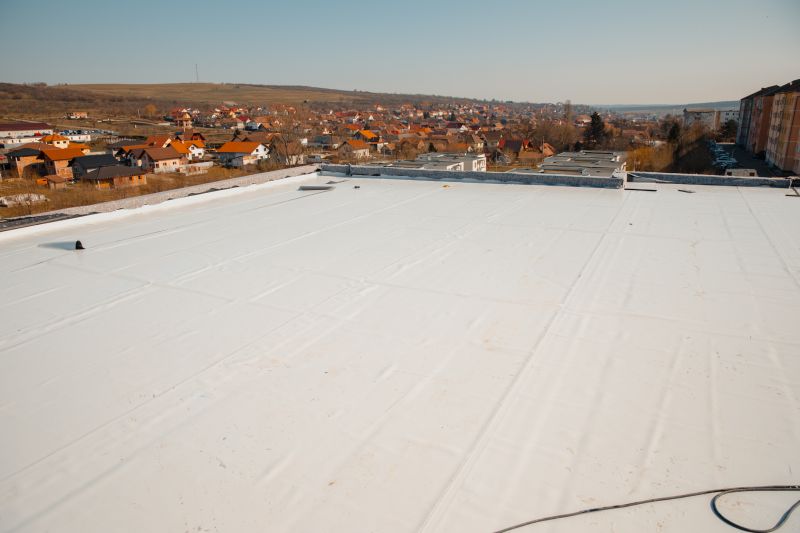
Spring offers moderate temperatures and low precipitation, ideal for rubber roofing projects.
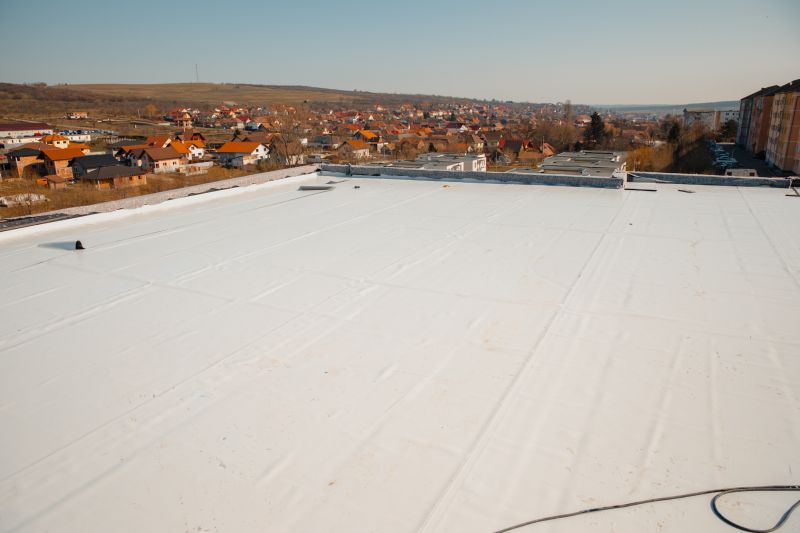
Fall provides cooler weather and dry conditions, suitable for effective installation.
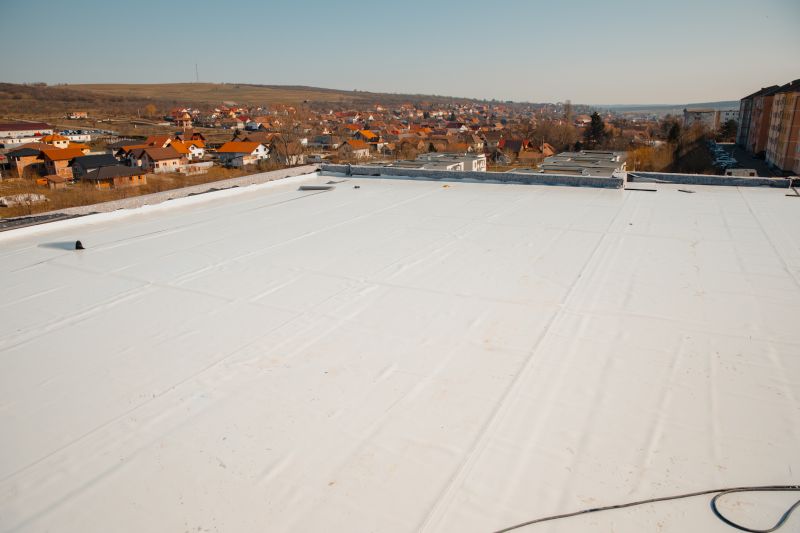
Avoiding extreme temperatures and precipitation ensures proper adhesion and durability.
| Season | Optimal Conditions |
|---|---|
| Spring | Moderate temperatures, low rain |
| Summer | High temperatures, potential for heat stress |
| Fall | Cooler weather, dry conditions |
| Winter | Cold temperatures, snow, and ice |
Rubber roofing is recognized for its longevity and resilience against various weather elements. It offers a flexible, waterproof membrane that can withstand heavy rain, snow, and UV exposure. Proper installation during suitable weather conditions enhances the lifespan of the roofing system, which can often exceed 30 years with appropriate maintenance.
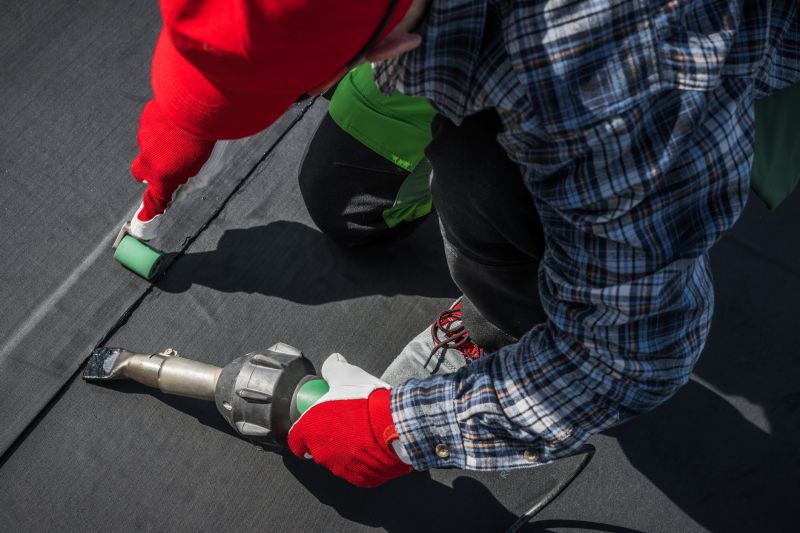
Rubber roofs are resistant to cracking, UV damage, and extreme weather conditions.
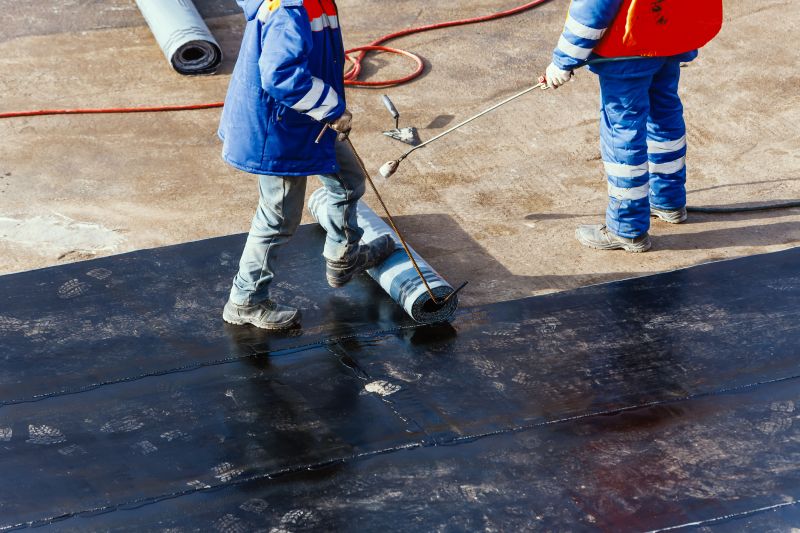
The material's flexibility allows for easier installation on various roof types.
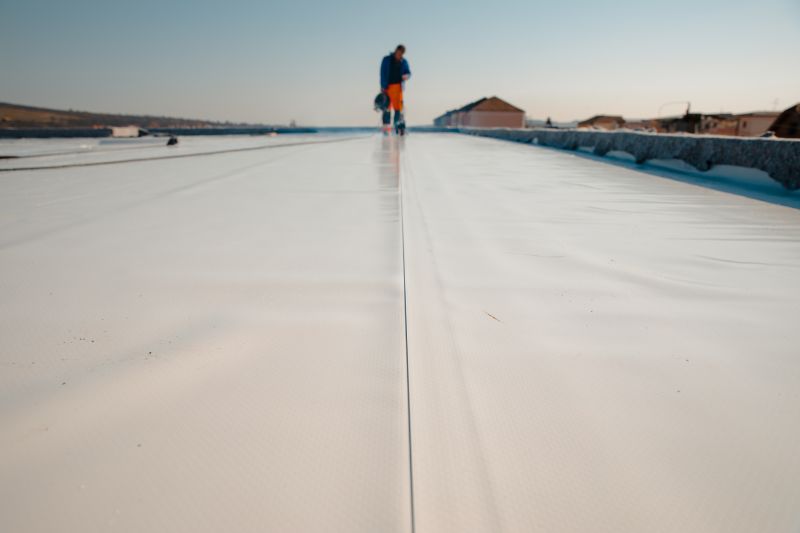
Properly installed rubber roofing can last for decades with minimal maintenance.
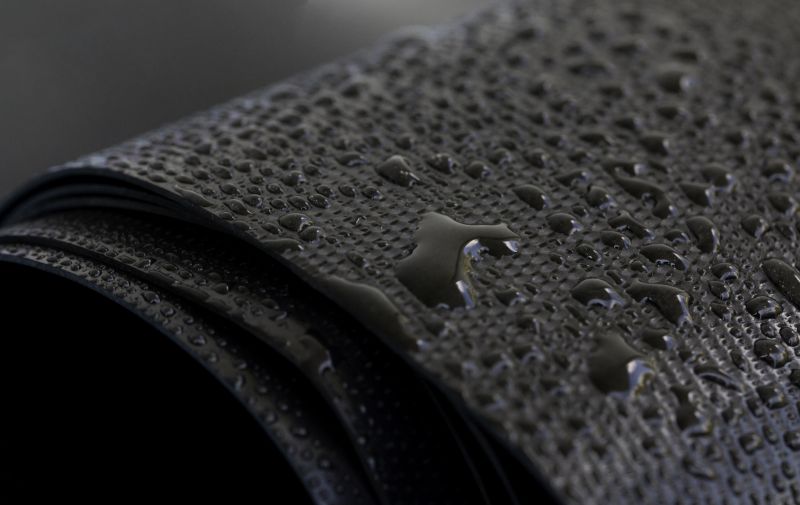
Rubber roofing provides excellent resistance against water intrusion and UV rays.
Interested in rubber roofing options? Filling out the contact form can provide additional information and help determine the best installation schedule based on specific needs and local climate conditions.