Flexible Rubber Roofing Options for Complex Roof Designs
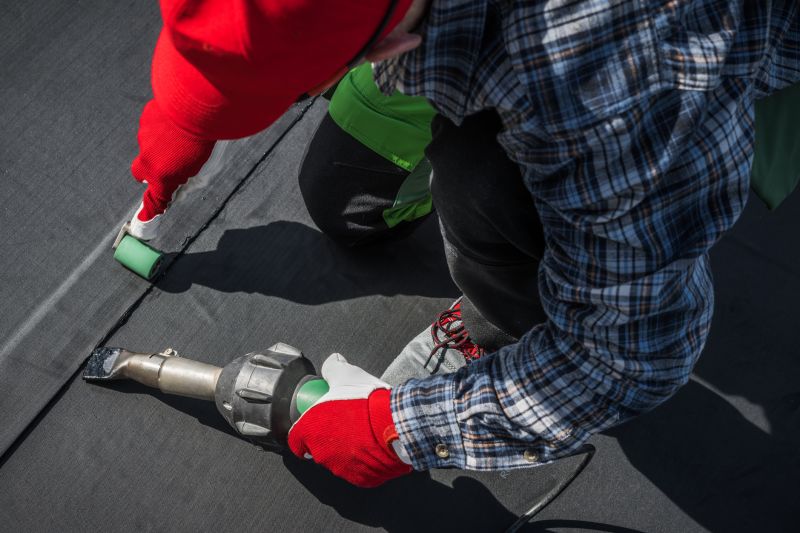
High-quality rubber roofing installation involves precise measurements and proper seam sealing to ensure durability and weather resistance.
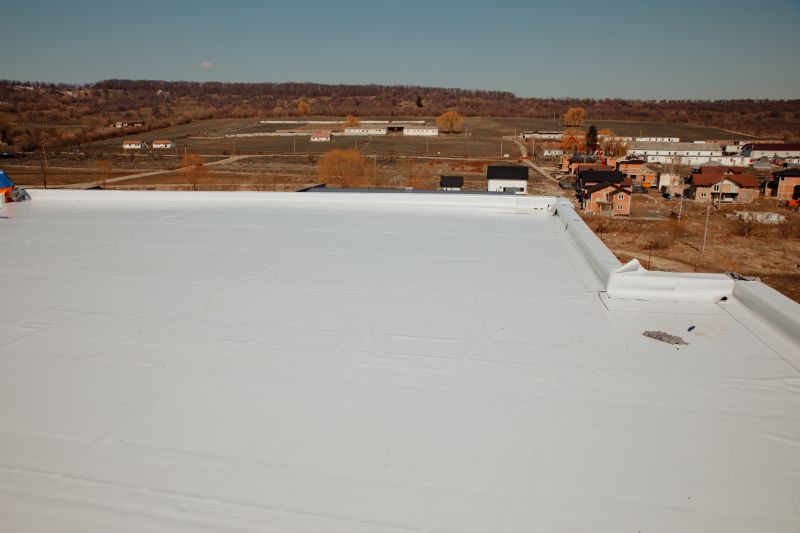
A professionally installed rubber roof provides a seamless, waterproof surface that can withstand harsh weather conditions for decades.
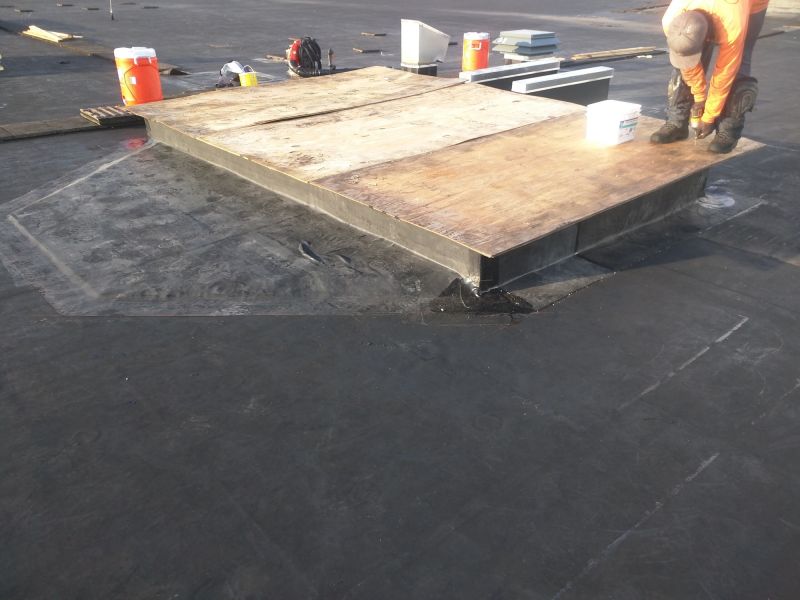
Regular inspections and maintenance can extend the lifespan of rubber roofing, preventing leaks and damage over time.
Rubber roofing, often made from ethylene propylene diene monomer (EPDM), is known for its durability, flexibility, and resistance to extreme weather. It is a popular choice for flat and low-slope roofs due to its ability to form a continuous, waterproof membrane. Rubber roofing systems typically last between 30 to 50 years when properly installed and maintained. They are also valued for their ease of repair and low maintenance requirements, making them a cost-effective roofing solution over the long term.
The installation process of rubber roofing generally takes from one to three days, depending on the size and complexity of the roof. A professional roofing team will first prepare the surface, then lay down the rubber membrane, ensuring all seams are sealed and the material is securely attached. Proper ventilation and insulation are also considered during installation to optimize performance and energy efficiency.
Rubber roofing offers excellent resistance to UV rays, ozone, and temperature fluctuations, contributing to its long service life.
The flexible nature of rubber allows for quick installation on various roof shapes and sizes, reducing labor time.
Rubber roofing provides a budget-friendly option with low maintenance costs and a lifespan that can exceed four decades.
Its resistance to water, wind, and hail makes rubber roofing suitable for regions with severe weather patterns.
Hiring a professional for rubber roofing ensures the installation meets industry standards, maximizing the roof’s lifespan and performance. Proper sealing and adherence to manufacturer guidelines are critical to prevent leaks and damage. Professionals also have the expertise to handle complex roof geometries and ensure the membrane is correctly secured, reducing future repair costs.
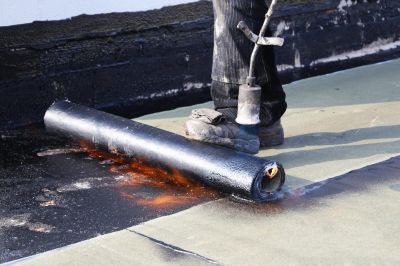
Seam sealing is vital for waterproof integrity, especially on large or complex roof surfaces.
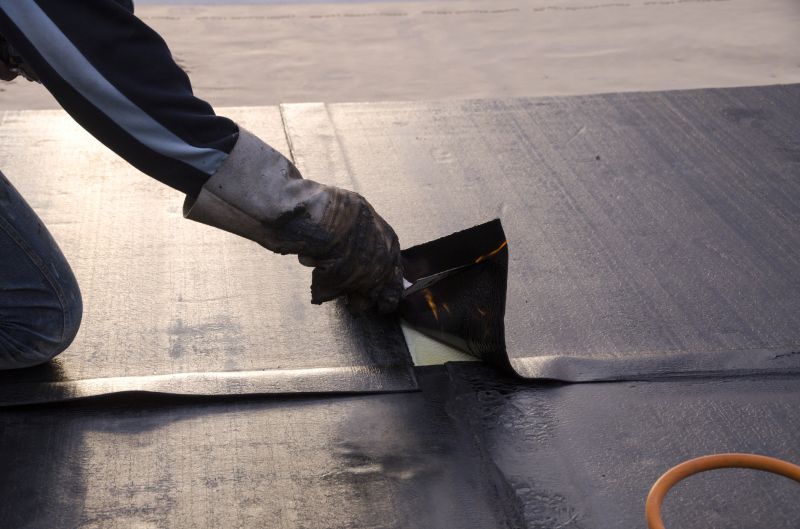
Specialized tools and adhesives are used to ensure a secure and durable rubber membrane.
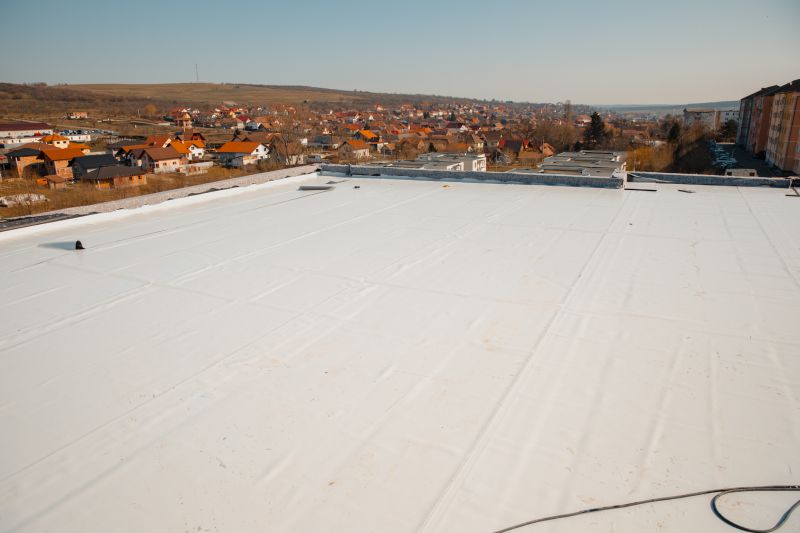
A clean, finished edge enhances the overall appearance and weather resistance of the rubber roofing system.
Properly installed rubber roofing is visually seamless, with minimal visible seams, and provides an effective barrier against water infiltration. The flexibility of the material allows it to accommodate building movements and temperature changes without cracking or splitting. This adaptability contributes to its reputation as a reliable, long-lasting roofing option.
| Feature | Details |
|---|---|
| Material | EPDM rubber membrane |
| Lifespan | 30 to 50 years |
| Installation Time | 1 to 3 days |
| Resistance | UV, ozone, extreme temperatures, water |
| Maintenance | Periodic inspections and minor repairs |
| Cost | Moderate upfront, low long-term costs |
| Suitable for | Flat and low-slope roofs |
| Environmental Impact | Low emissions, recyclable materials |
Bottom line, rubber roofing offers a durable, flexible, and cost-effective solution for flat and low-slope roofs. Its resistance to weather elements and ease of repair make it a dependable choice for long-term protection. Proper installation by experienced professionals maximizes the benefits and lifespan of the roofing system.
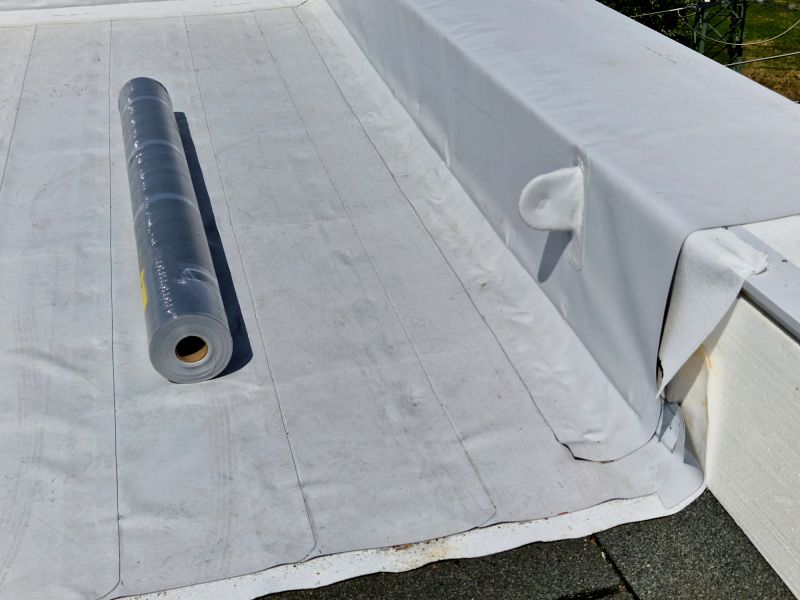
A fully installed rubber roof showcasing seamless, weatherproof surface.
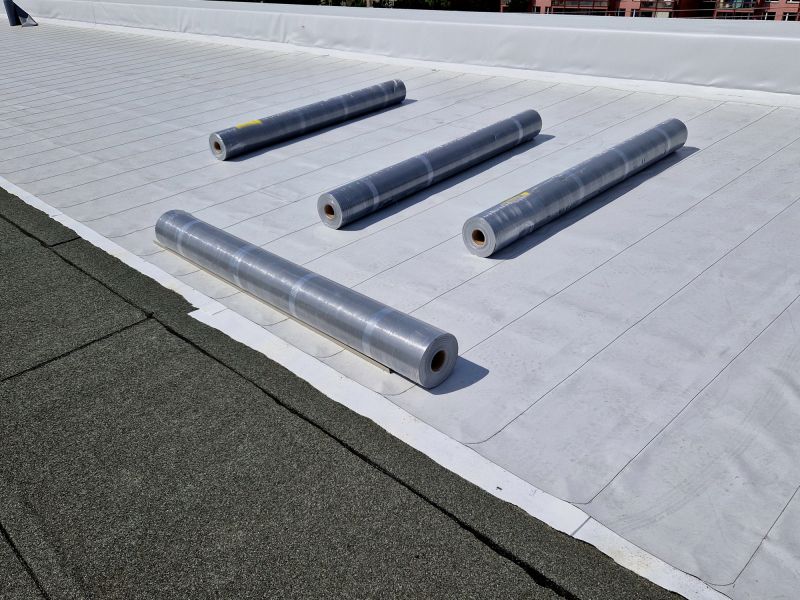
Close-up of seam sealing and edging for durability.
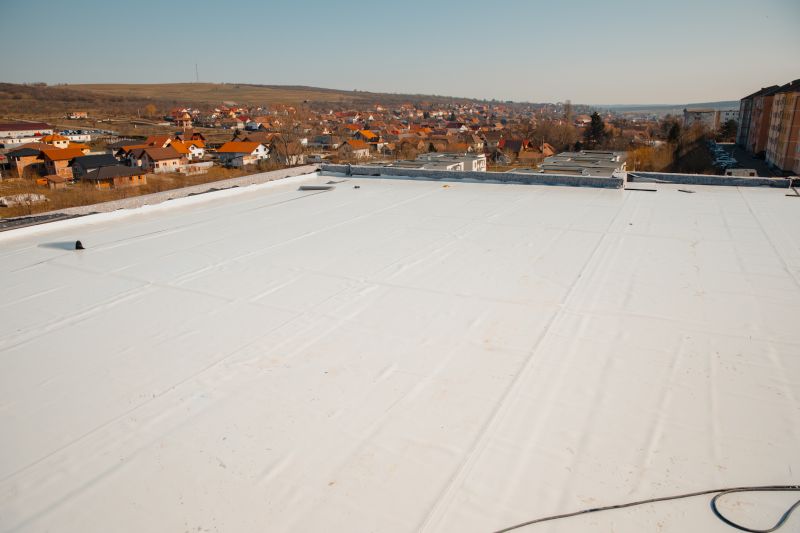
A maintained rubber roof demonstrating longevity and resilience.
For those interested in rubber roofing, filling out the contact form can provide access to detailed quotes and professional guidance. Accurate assessments and proper installation are essential for maximizing the lifespan and performance of rubber roofing systems.